Open source first · SaaS alongside
Build and run your dream team of AI agents
Agentic power, on your Claude Max plan. No code, no terminal — just describe what you want and your team gets to work.
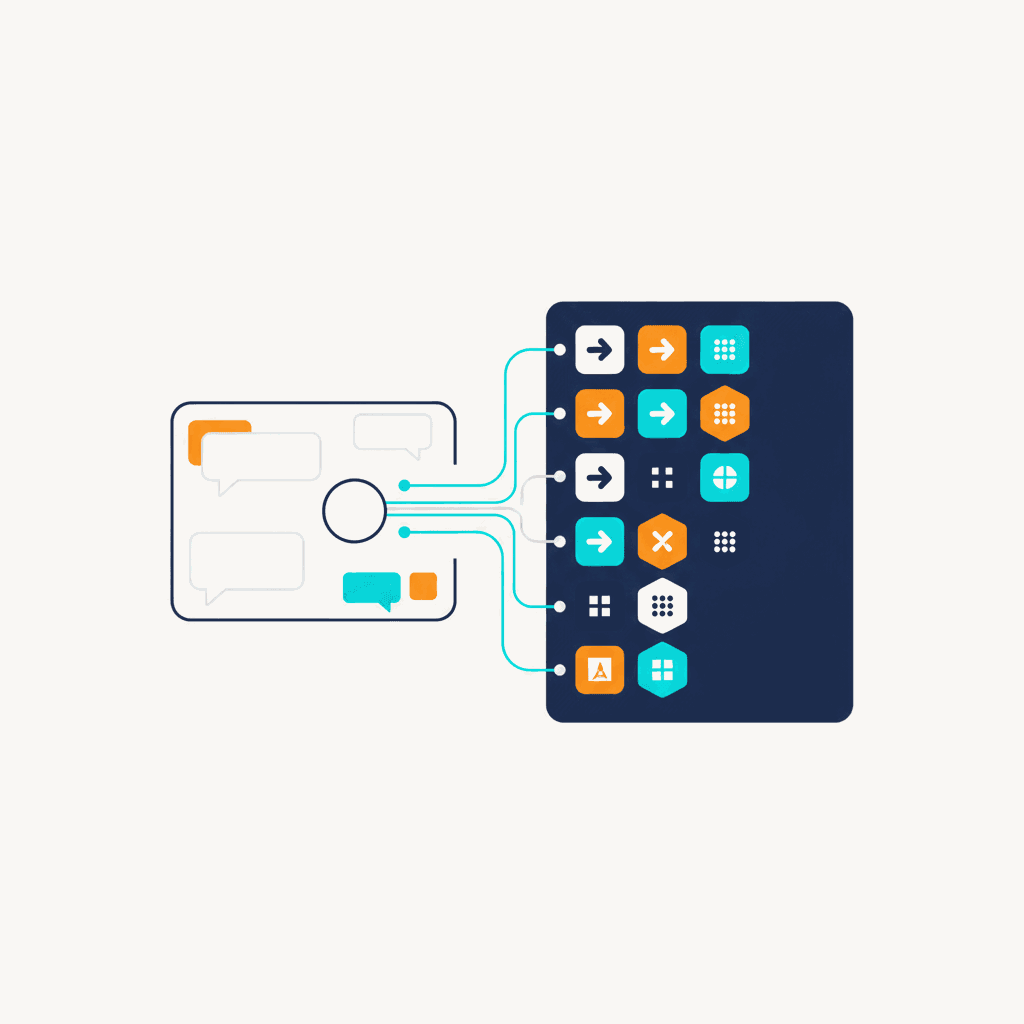
The concepts, at a glance
Wikis
Institutional memory your agents actually use — so they never forget how your business works.
Skills
The unit of capability. A skill does real work the same reliable way every time — and some skills reach right into the tools you already use, like Gmail, Notion, Slack or Drive.
Playbooks
The repeatable method — the how-to that sequences skills to move a goal to done.
Bundles
How it’s all packaged and shared: a set of skills plus the playbooks that run them. Start with the built-in BMAD bundle or import one, like G-Stack.
The Bridge
A simple chat interface — talk to your team like a person, no intimidating screens.
The power of Claude Code — without the terminal

Agentic power, flat-rate cost
TeamByAI runs your agents on your own Claude Max subscription. You get the muscle of a full agent framework — the kind metered platforms bill for by the token — at your flat monthly rate.
For solopreneurs and small teams, that can mean far lower running costs as your usage grows, instead of a bill that climbs every time your team does more.
From idea to execution
TeamByAI guides you through one clear path — from who you are, to what you want, to getting it done.
Identity
Define who your company is and how it works, once. Your agents build on it.
OKRs / KPIs
Set the goals that matter. The platform keeps every project pointed at them.
Projects
Turn goals into projects with the context your team needs to act.
Execution
Your agents do the work — research, drafts, follow-through — and report back.